Dental Crowns in Wheeling, IL
The advancements of new technology have taken dental crowns to a new level of options that were not available many years ago. Patients can now get dental crowns in Wheeling IL to suit their specific needs without having to settle for the old fashioned plain metal crowns. From better durability to natural appeal, customized dental crowns offer incredible transformations to give you the smile you deserve.
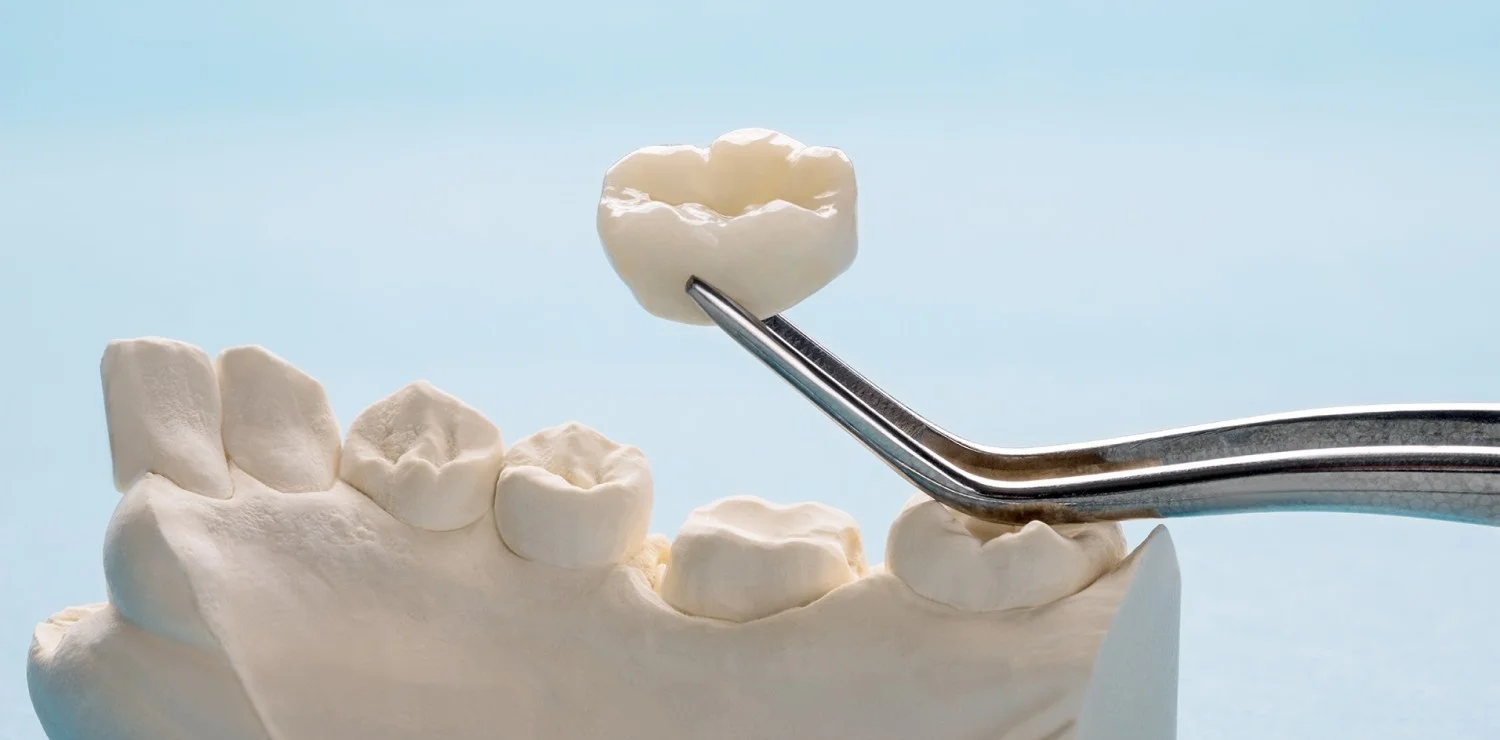
What purpose do dental crowns serve?
We offer dental crowns in Wheeling IL for various reasons:
- check_circle Supportive structure for a weak tooth
- check_circle Cover a discolored tooth
- check_circle Repair a disformed tooth
- check_circle Replace a tooth filling that has failed to work
- check_circle Restore a broken tooth or worn down teeth
- check_circle Cosmetic restoration to close gaps
- check_circle Hold dental bridges in place
- check_circle Cover a dental implant
- check_circle Add strength after a root canal
What are Dental Crowns Composed of?
Dental crowns can consist of different materials. From metal alloys, to porcelain, or even ceramic, dental crowns are designed to fit comfortably and restore your natural tooth-colored appearance.
Different Types of Dental Crowns
Permanent dental crowns in Wheeling IL can be made from metal, porcelain fused to metal, stainless steel, ceramic, or resin. The various types of materials allow for individualized care and construction to meet each patient’s particular needs.
What process can you expect?
Getting dental crowns in Wheeling IL typically involves a two-step process. First, the tooth is prepared by removing any outer decay, allowing space for the crown to fit properly. An impression of your tooth is made, and a temporary crown is placed over your tooth in the meantime for protection.
The permanent crown may take up to a couple of weeks to be ready for placement. Once ready, it’ll be adjusted to fit on your tooth comfortably.
How to maintain your Dental Crown
After your permanent dental crown is in place, you’ll want to take proper care of it by brushing and flossing regularly, along with avoiding hard food, to prevent damaging your crowns.
Keep up with routine dental cleanings and visits, and let your dentist know of any issues you experience with your crowns.